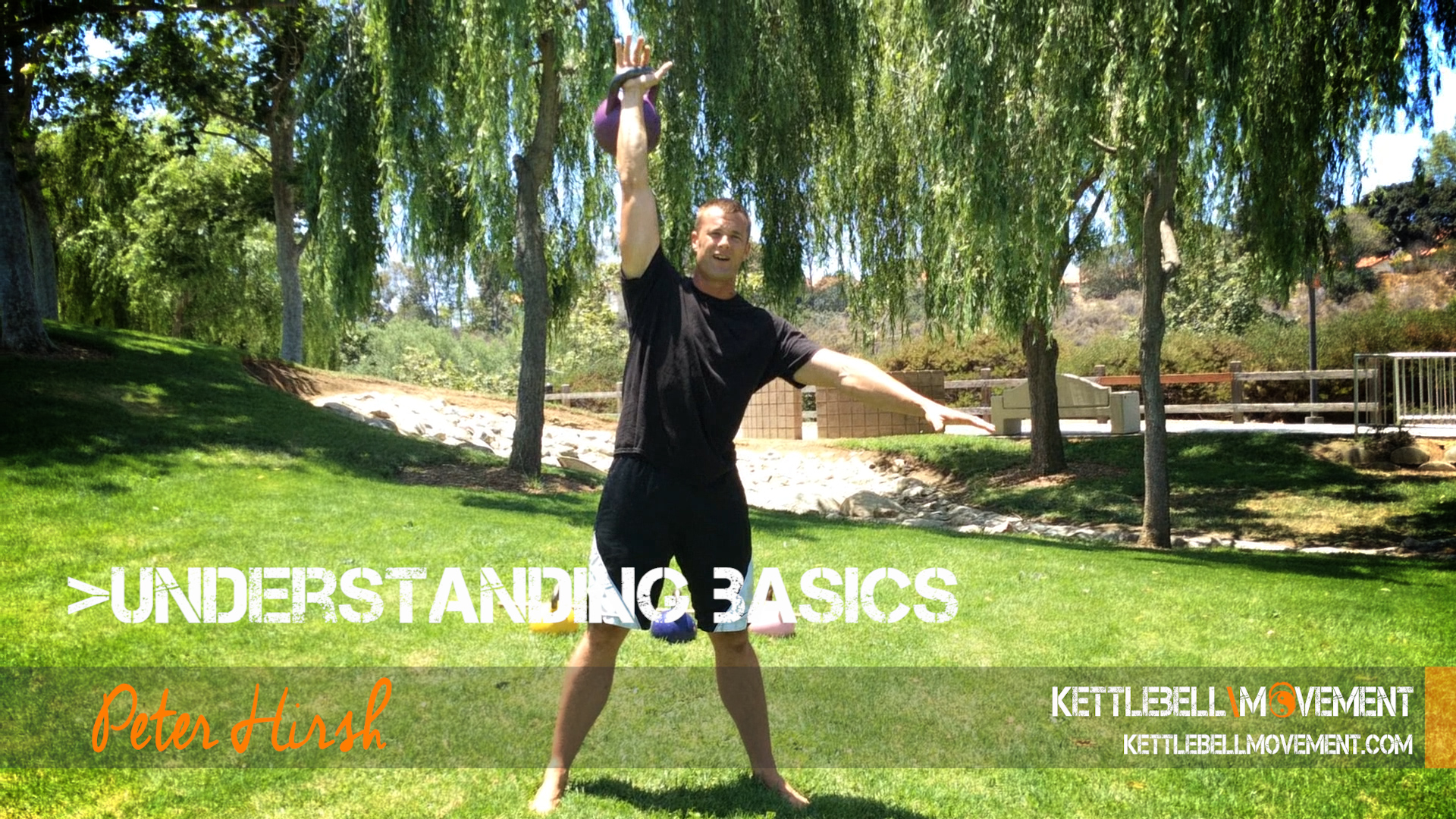
This is a video on the three primary kettlebell movements in slow motion. I have always used slow motion to demonstrate the power phase movements to my clients and also had many requests for it from subscribers as well. I will show you a few different angles so that you can see how they should look.
The Swing
You can see from the profile view the path of the bell, it stays high in the backswing and moves back to front as I drive with my hips. Notice as the bell descends how the movement in my hips is delayed until the very last minute.
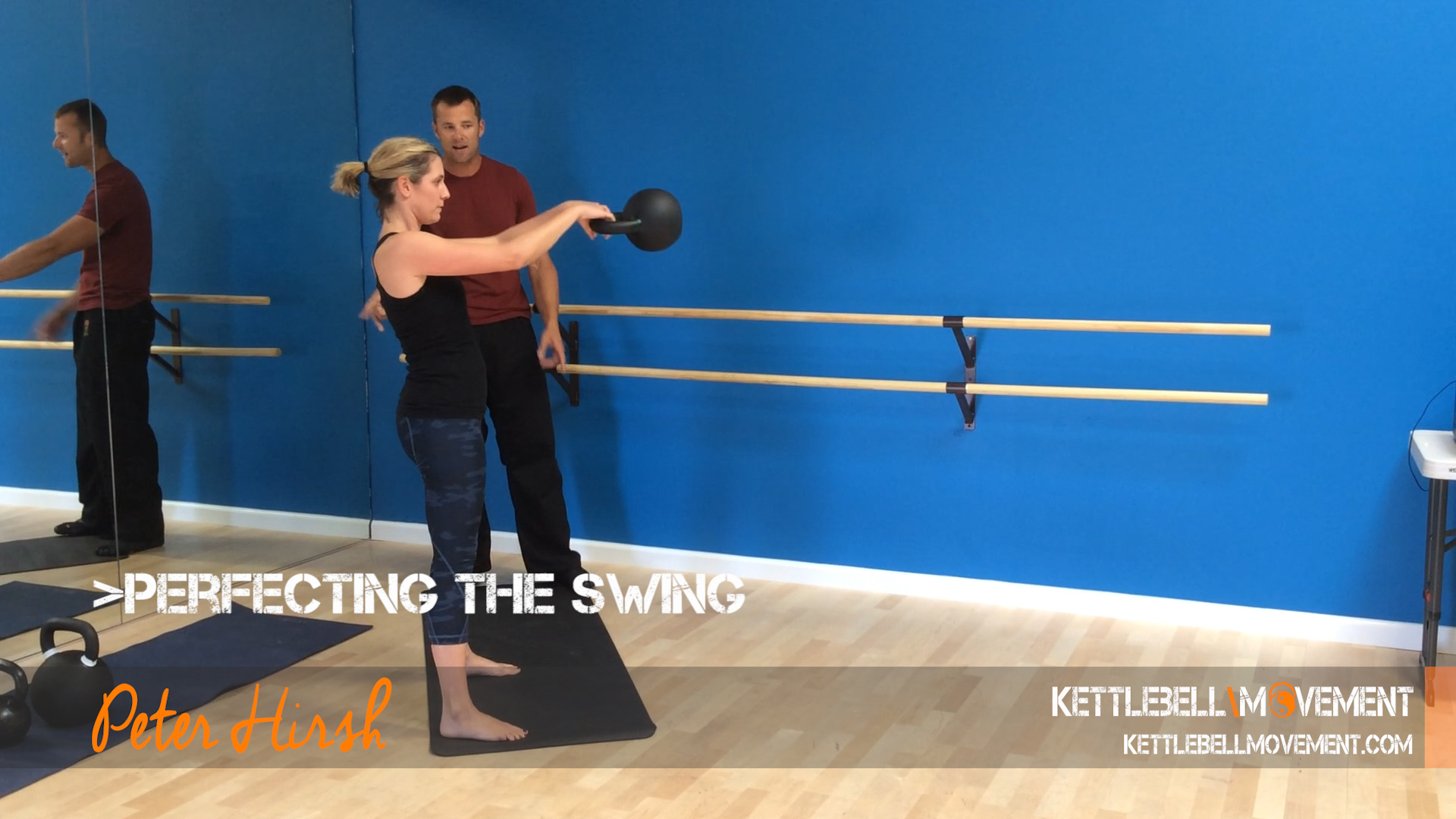
From the side view you can see that the bell doesn’t get very far in front of me. In fact, for a brief moment, my shoulders are behind my hips from the profile view, this lets me keep the bell even closer to my bodies’ plumb line. Just make sure this happens through hip extension while performing abdominal bracing and not through back extension.
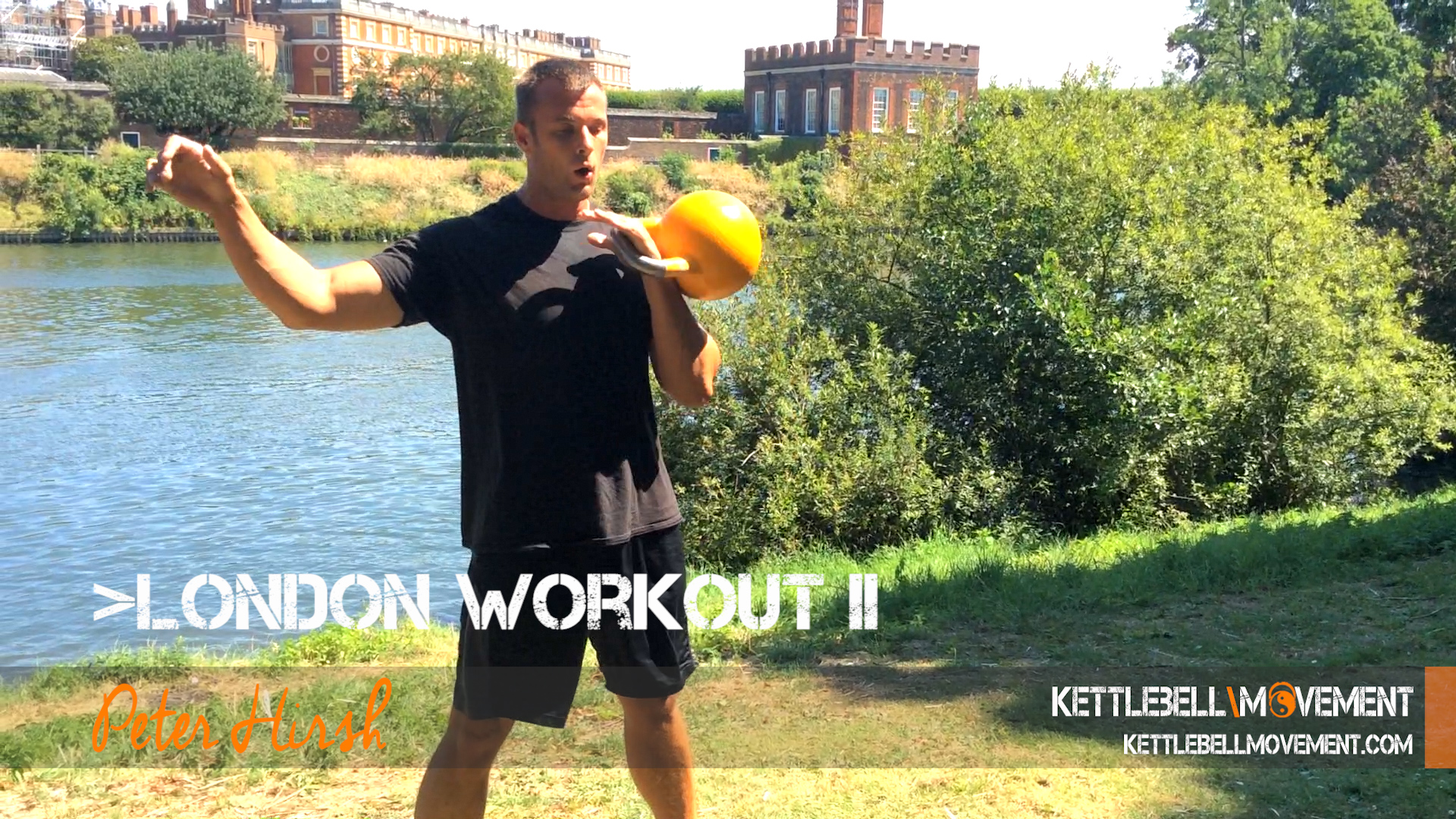
From the front, you can see the way the bell twists as it comes up in a corkscrew and lands in the rack smoothly. There should be no banging of the wrist and arm.
Snatch
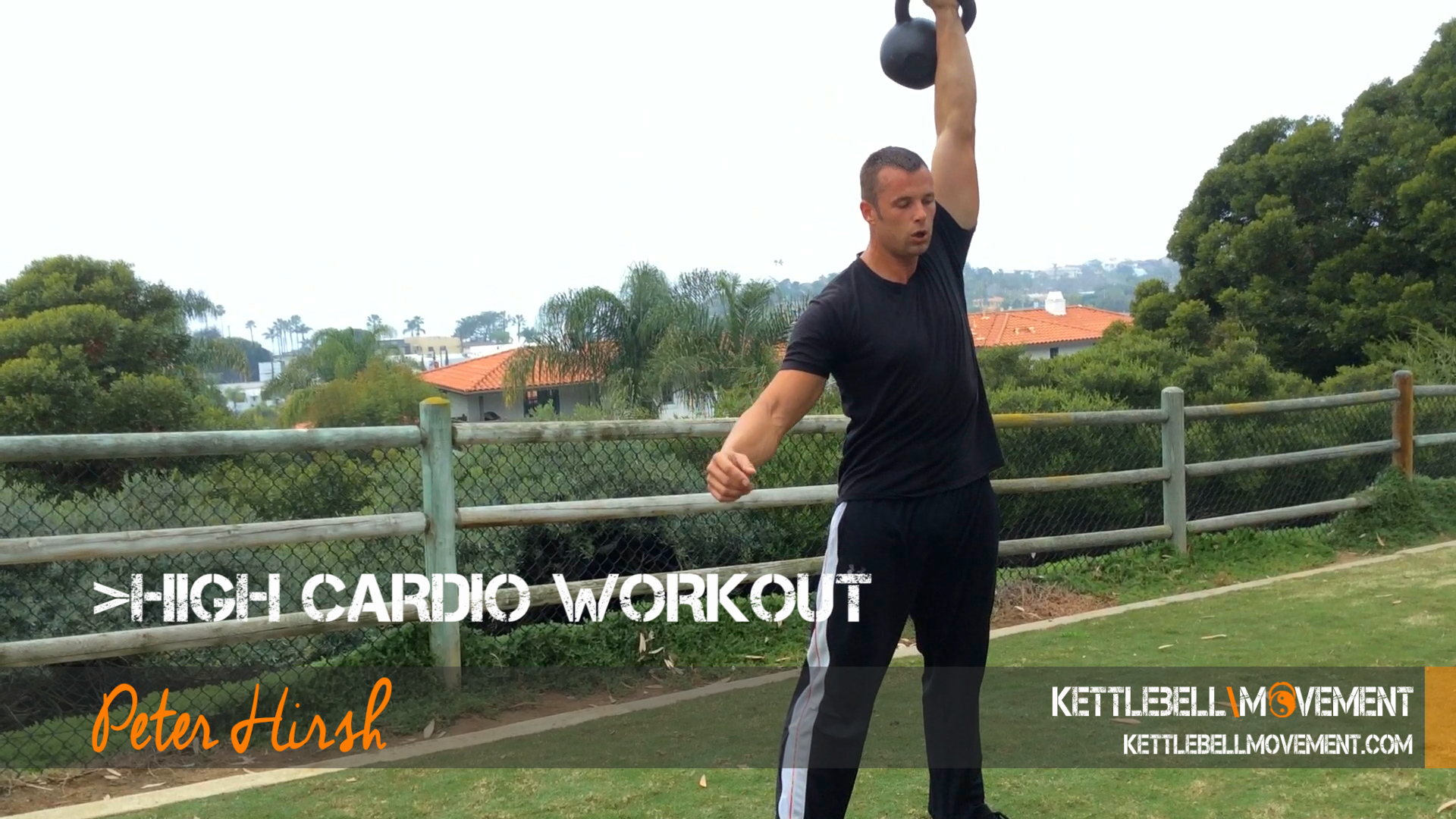
The profile view of the kettlebell snatch shows a lot of minor things that can make or break the movement. In the backswing, you will notice how the movement is delayed, just like a swing and a clean, the bell stays high as it comes back behind me. As the bell comes up, I pull the bell upward and toward my body where it will be the lightest. I bring my shoulder behind my hip at the moment of full extension just like the clean, with a tight braced core and slight hip extension. I even do this as the bell starts to come down, keeping it closer to my body where the backswing and deceleration in my hips will feel lighter. Notice how the bell doesn’t come up and over my fist, it just lightly rolls onto the back of my wrist as it floats upward.
From the front view, you will notice how I move my body off to the side a little as the bell moves up and down. By doing this, I will make the bell feel lighter and more stable because it is closer to my plumb line.
I hope that this video helps iron out any issues you are having with these techniques. Feel free to post your questions if you are having any issues that you can’t seem to fix.
Thanks for joining me,
Peter Hirsh