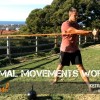
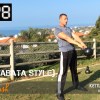
If you have ever watched the worlds strongest man, or even Scottish highland games, you have probably seen this move. In fact, throwing things that are heavy is something that has been practiced in many ways throughout time, in almost every culture. The shot put is in the Olympic games still today.
This overhead kettlebell toss is a lot more challenging than it looks but if you can swing a bell and lift overhead safely then you can probably do the overhead toss. If you have any neck or back injuries, I would avoid this one and even if you are strong and healthy, start light and work your way up in weight carefully.
There is something great about putting 100% exertion into a weight, something that we rarely do in normal weight lifting. The power used in the overhead toss is limited only by your body and mind, not by the move itself. You will need flexibility in the hip flexors, as you will be in a posterior pelvic tilt at the moment you release the bell. This will allow you to lean your upper body backward without extending the spine. The abdomen stays tight as the weight goes overhead.
This exercise will make your heart rate go through the roof, especially if you run quickly to the bell for the next toss. Your legs will get heavy and fatigued after just a few throws of a heavy bell, as they put everything into powering the weight.
As I mention in the video, this is a great exercise to do in competition with a friend especially if you have a field or park with lots of space. The toss I am demonstrating can be done for height or distance, depending on your surroundings. If you have something to throw the bell over it can be a very fun challenge.
Stay tight in your abdomen and follow smart progressions with this one, and make sure you are fully warmed up before you begin. I also make a habit of filling in any holes I make in a public park so no one steps in one and sprains an ankle while running or playing sports. Also, make sure your path is completely clear when you throw the bell so no one gets hurt!
Watch the video to see how it is done and have fun with this exercise! It adds a level of challenge and fun that we don’t often get from our weight lifting practice.
Have fun,
Peter Hirsh