
For more information on Kettlebell Deadlift click here
Glute and Hamstring
The first rule to developing range of motion and good posture is to develop the motor pattern and teach the nervous system strength within a given range of motion. When you are developing any new movement that feels “tight” never deviate your posture to “go deeper” just stop where the tightness prevents good technique, wherever that might occur. Have faith in your bodies’ ability to learn strength within that range of motion, your nervous system will start to relax and allow the muscles to move normally. Your tightness is in your head! Never force anything, there’s no need, be process oriented and work the movements with care. For the best results in almost every aspect of training I recommend low volume high frequency practice sessions, flexibility is no exception.
Let’s take a moment to address hamstring and glute tightness and how it alters movement patterns related to kettlebell lifting. Remember the deadlift is the very basics of not only kettlebell lifting, but also what you’ve heard all your life “lift with your legs, not with your back” - your glutes and hamstrings are the “legs” part of that phrase! Think of these muscles as rubber bands and when lengthened they can then contract to deliver power, if they are tight, they aren’t lengthening properly, and therefore cannot contract to deliver power. This leads to altered motor patterns, synergistic dominance, bad posture, chronic pain and injury.
One of the most common issues I see are people with glute and hamstring tightness, causing them to round their lower back when attempting to lift weight off the ground, in effect, lifting with their backs, not with their legs - a potentially dangerous deviation in form. I can’t stress enough how important it is to develop proper motor patterns precisely before moving on. Use a mirror or ask someone to help you check your form, another way to help develop the proper technique..
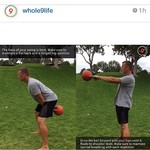
Here are some key points to remember as we get prepped to learn dead lifts.
- Begin by moving the pelvis back, not down, like a squat, and don’t let the knees drift forward.
- Keep your feet flat, don’t allow them to roll side to side, or shift weight front to back.
- Point your feet forward, or no more than about 15 degrees toes out, stay even from side to side.
- Sit into your heels with flat feet and grip your toes into the ground.
- Keep your knees in a straight line from hip to ankle at all times, don’t let them cave inwards or roll outward as you perform the movement.
- Practice the basic motor patterns until you can’t get them wrong before moving on to more complex ones.
- Inhale at the top about a 70% of maximum (comfortable) breath, hold at the bottom, exhale as you reach the top neutral position.
- Refer to my video teaching the perfect deadlift and pay attention to the areas of tightness that effect you.
Remember, strength is a skill and you will develop the ability to easily lift the kind of weight you would never have imagined. In return, you’ll get unbelievable results when it comes to overall strength and reshaping your body, so be patient and love your practice.
For more information on the deadlift visit: http://kettlebellmovement.com/kettlebell-deadlift/

Leave a Reply